

What Are PCR Plastic Granules? A Buyer's Guide to Post-Consumer Recycled Plastic
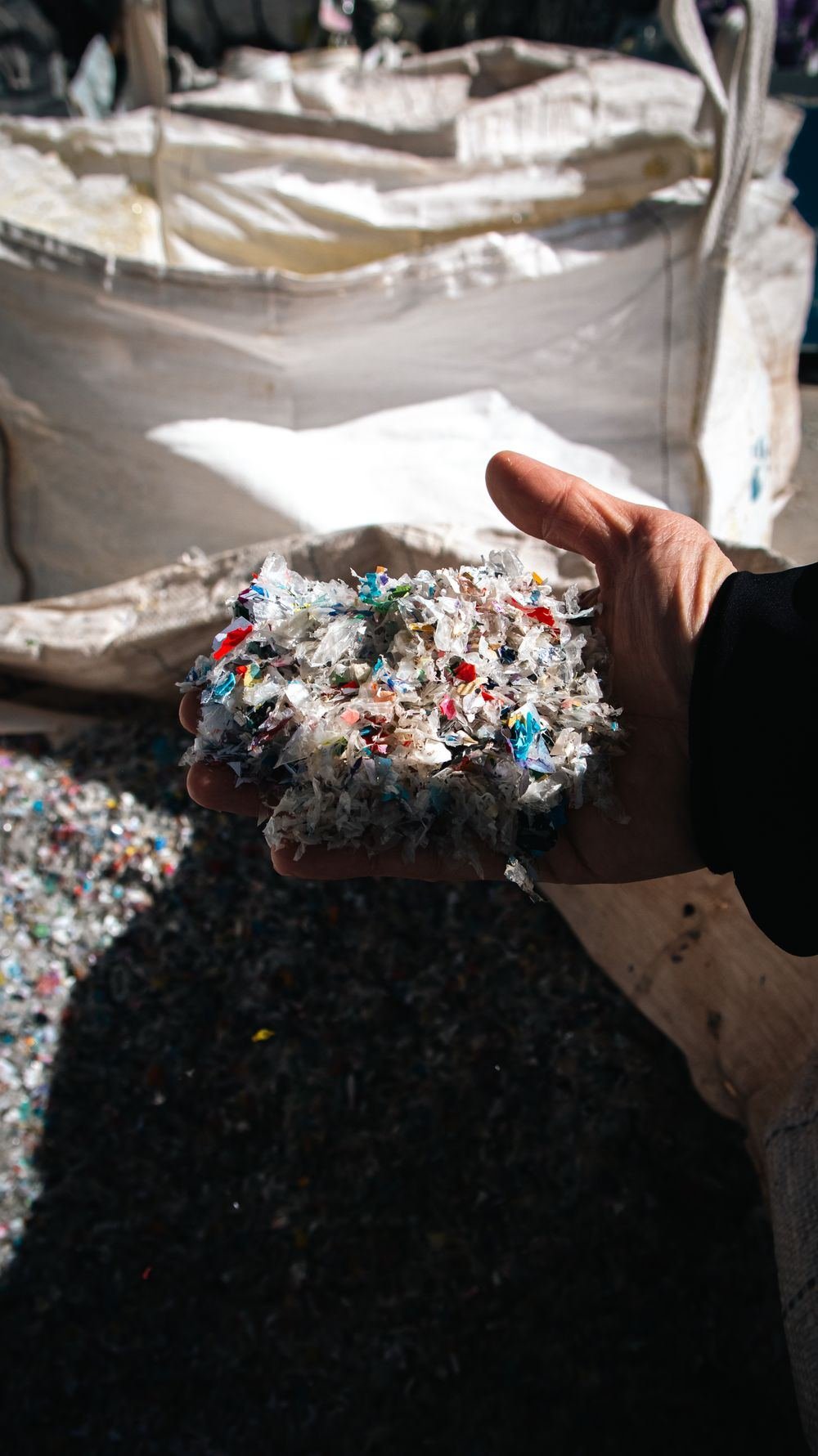
PCR stands for post-consumer recycled. PCR plastic granules are made from plastic that has already been used by consumers – film, bags, bottles, containers – and then collected, recycled and turned back into raw material.
How PCR granules are made
- Collection and sorting by polymer type and colour.
- Shredding and washing to remove dirt, labels and contaminants.
- Drying to remove moisture.
- Extrusion and melt filtration to remove remaining impurities.
- Pelletizing into uniform granules, followed by quality testing.
See our recycling process for the full flow.
PCR vs post-industrial (PIR) recycled plastic
Post-industrial recycled plastic comes from factory waste such as trimmings and rejects. PCR comes from used consumer products. Both are recycled; PCR is the type usually counted towards recycled-content targets for packaging.
Where PCR granules are used
Film and bags, blow-moulded containers, pipes, crates, buckets, household products and automotive parts – either as 100% recycled material or blended with virgin polymer.
Getting started
Start with a sample and a short trial, check the key properties (MFI, density, moisture, ash), then scale up the recycled share step by step. Our team can suggest a grade for your application.