

LD vs LLDPE Dana: Differences, Uses and How to Choose
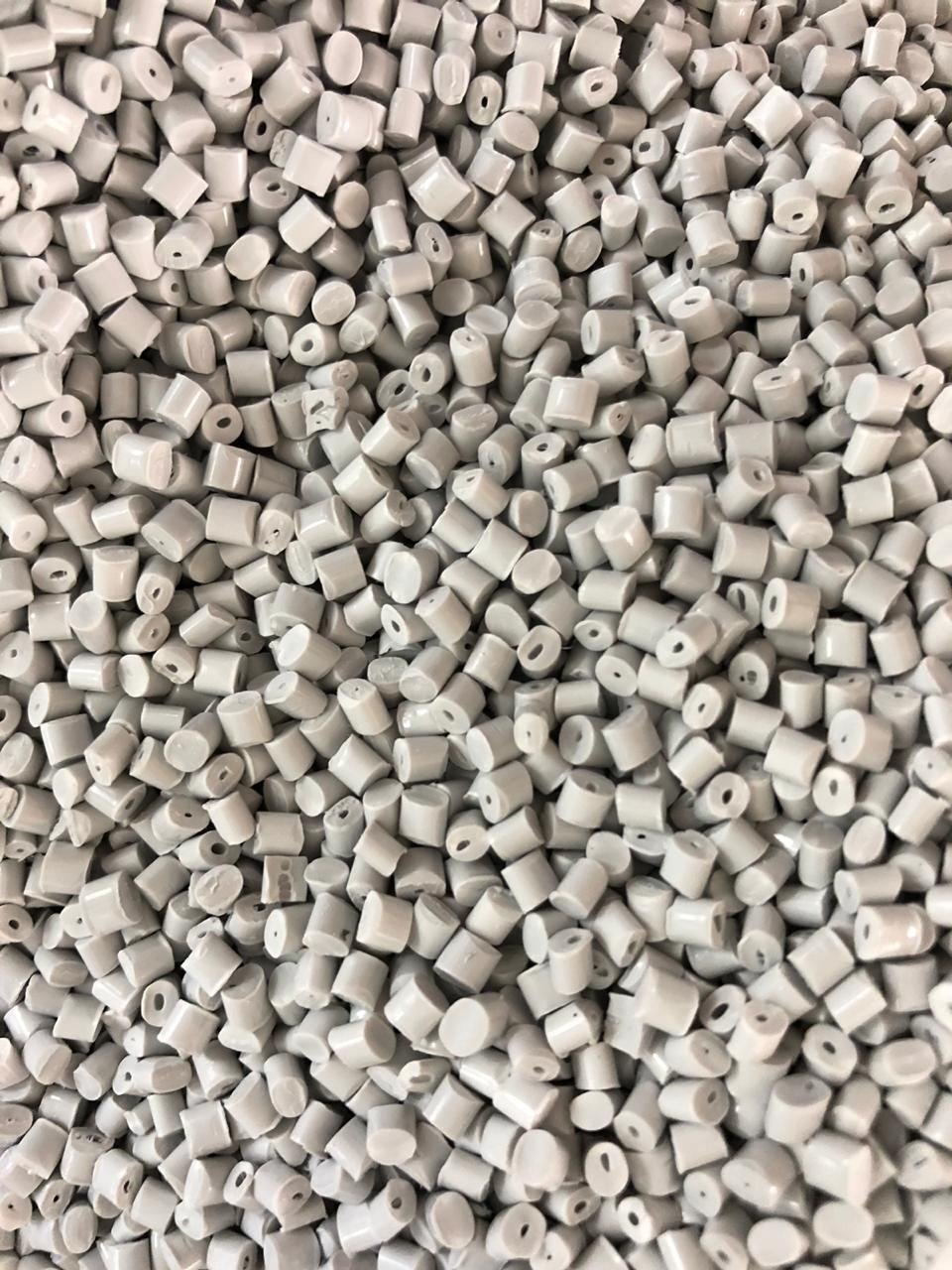
LD dana (LDPE granules) and LLDPE dana (linear low-density polyethylene granules) are the two workhorses of the film industry. They look similar, have similar density, and are often blended – but they behave differently on the machine and in the finished product.
How they differ
- Structure: LDPE has long, branched chains. LLDPE has a linear backbone with short branches.
- Density: both are low-density polyethylenes, typically around 0.91–0.93 g/cm³.
- Strength: LLDPE gives film higher tensile strength, elongation and puncture resistance.
- Processing: LDPE is easier to process on blown-film lines and gives a softer, clearer film.
Typical uses
LD dana: carry bags, garbage bags, liners, lamination film, general-purpose film and sheets.
LLDPE dana: stretch and shrink film, heavy-duty sacks, liners and agricultural film where toughness matters.
Why blend LD and LLDPE?
Blending lets film makers balance processability (from LDPE) with strength and down-gauging (from LLDPE). The right ratio depends on the product, machine and film thickness – start with trials and adjust.
Using recycled (PCR) LD and LLDPE dana
Recycled grades lower raw-material cost and support sustainability goals. Check each batch's melt flow index (MFI), density, moisture and ash content, and ask for a sample before switching a production line. See our guide on checking recycled granule quality.